

Fresh Ideas Secure the Future
A New Generation for Industry
Innovation doesn’t happen in a vacuum – it thrives where people put their heads together and venture beyond familiar territory. This is true for the metal industry as well. It requires both the expertise of seasoned researchers and professionals, and the fresh impulses from the next generation. But how do we spark enthusiasm for our sector among young talent? And do they even still exist?
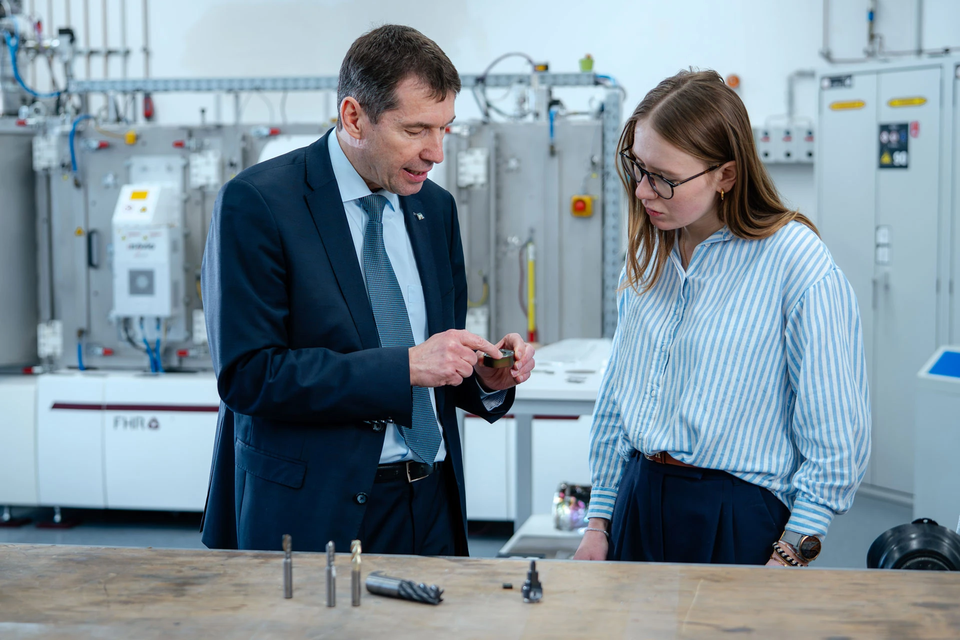
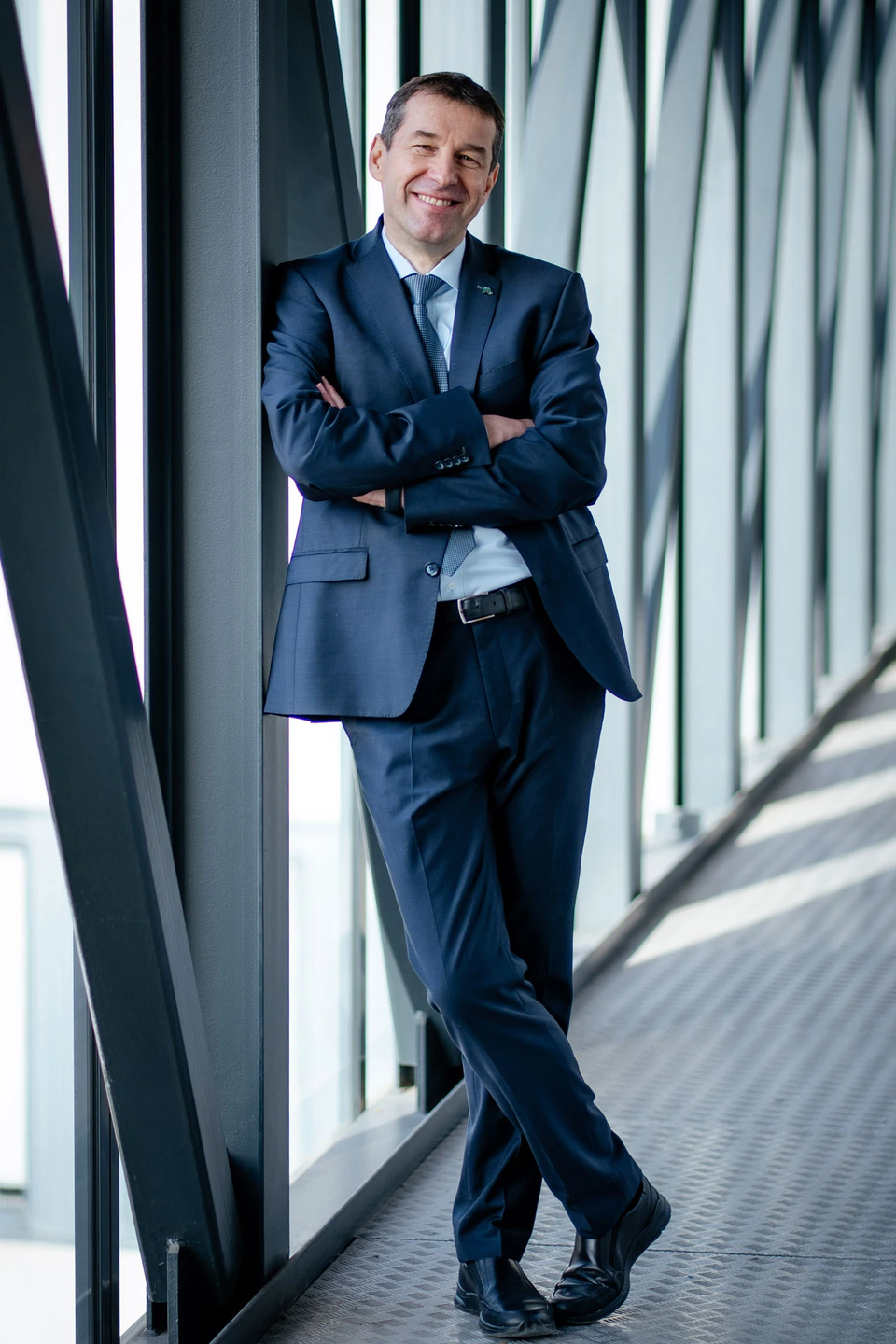
Professor Helmut Antrekowitsch is not only Vice Rector at Montanuniversität Leoben, a technical university, Head of the Non-Ferrous Metallurgy Department, and a renowned researcher, but also an optimist. What fascinates him most about his field is its potential to change the world. “Without metals, many everyday objects wouldn’t exist. Anyone who understands how metals work can actively shape the major transformations of our world.” In other words, working with metals is meaningful work. Whether it’s the energy transition, circular economy, or digitalization: metallurgy students can be part of the solutions to these challenges. This is what Helmut Antrekowitsch tries to convey in his lectures. “What amazes me most is how inspired my students are by the end of their studies, filled with visions. There is just one catch: There are just too few of them.”
Understanding the World
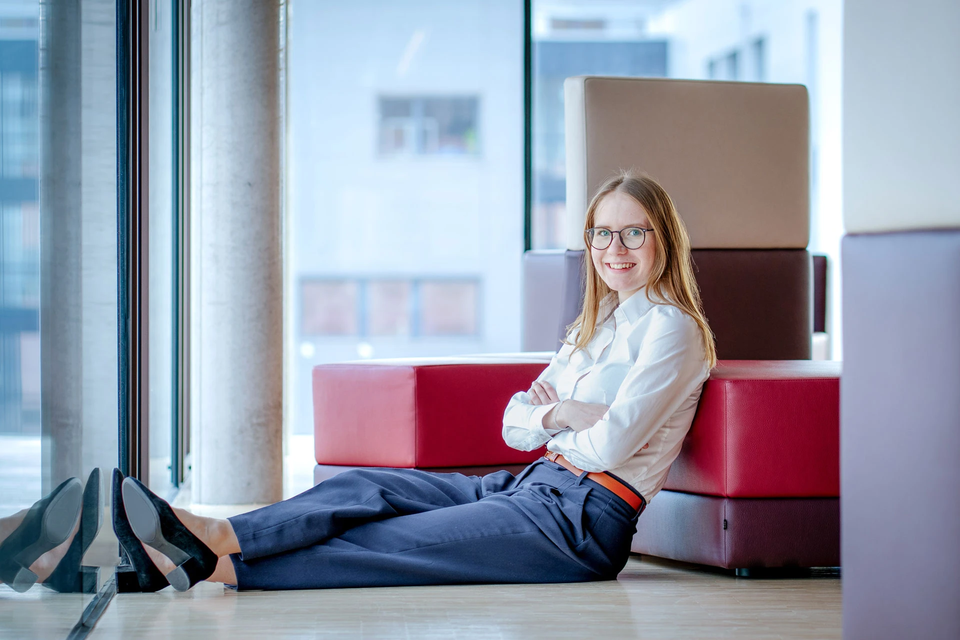
One of these “few” is Katharina Lammer. “I never expected my worldview to expand so quickly during my studies. Every day, I come across ordinary objects that I now understand more deeply – for example, because I know how particles behave,” she explains. Another milestone was Katharina’s internship at CERATIZIT in Reutte, a business area of the Plansee Group. “Alongside the mountains and the fantastic team, what motivated me most was seeing how I could apply my academic knowledge and make a difference,” she says. “I can imagine working in a business role in a company in the future, but metallurgy provides a great foundation – everything else builds on that technical understanding.” This attitude is also reflected in the career of Gerfried Weiss – now a member of the Management Board of Plansee HPM, who is also a former metallurgy student.
The Fascination of Production
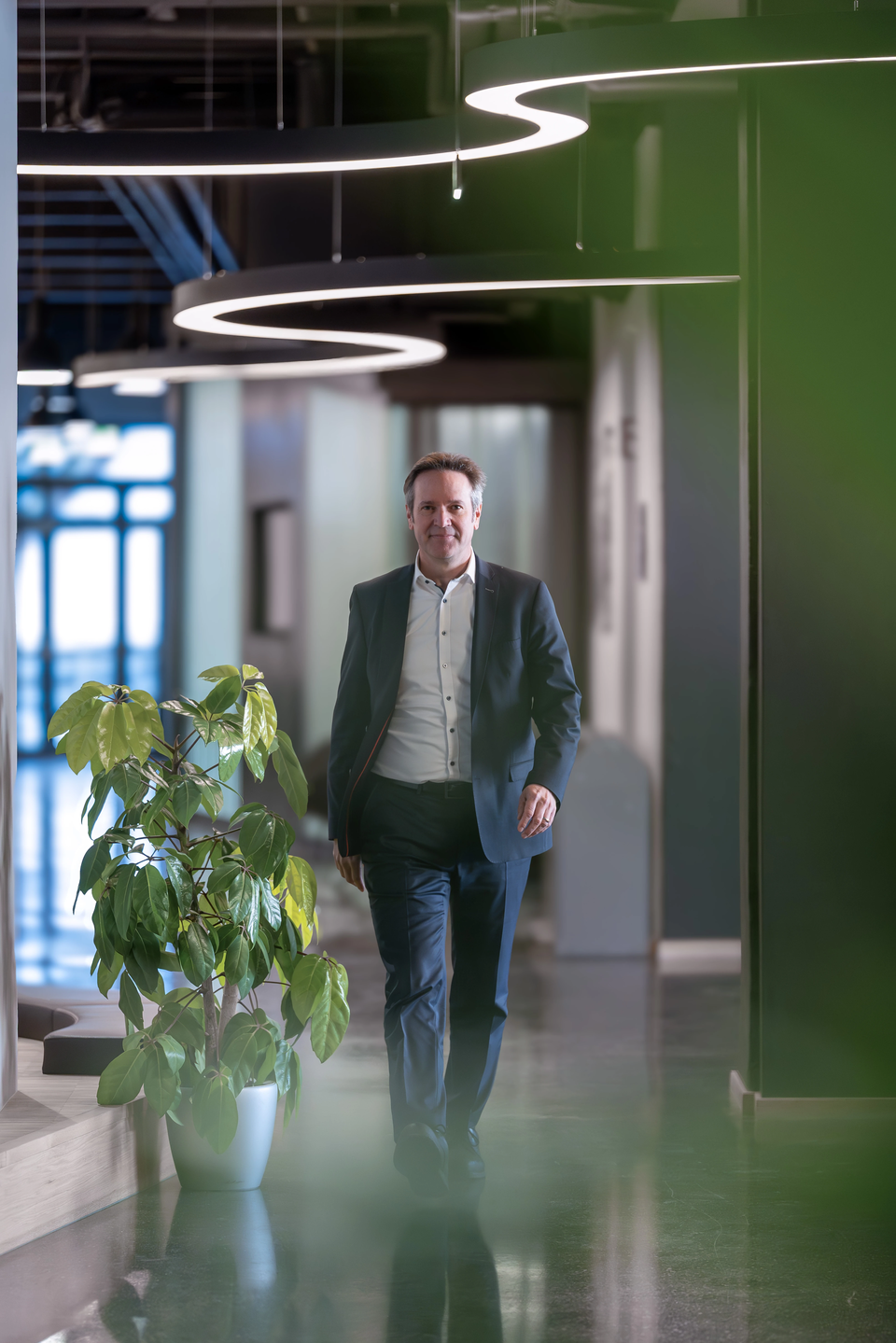
“What makes the Plansee Group so special is that it offers something for almost anyone who is passionate about technology: from manufacturing specialty components to automated mass production,” says Gerfried Weiss, who has gained insights into various companies across different continents. However, what excites him and others must also be passed on to the next generation. “As an industry, we need to work on modernizing the image of the metalworking sector,” he emphasizes. “We have to demonstrate how important value creation is in our own country, how exciting our topics are, and what contribution we make to products and high-tech applications everyone relies on.” After all, it’s the people who have brought the Plansee Group to where it is today over its more than 100-year history. “We want to find the right talent for every area – people who are also a fit culturally.” But the question remains: Where will the next generation for research and industry come from?
Inspiring Interest Early
Katharina was introduced to metals by her chemistry teacher and was encouraged even as a child to experiment and work with her hands. In her view, encouraging this kind of curiosity during childhood and reintroducing hands-on, analog technology into education plays an important role. Montanuniversität Leoben takes exactly this approach. “We offer a variety of programs to fill young people with enthusiasm for the natural sciences – for industry, but also for research. We all need many capable people,” says Helmut Antrekowitsch. For example, students can simulate recycling processes at the university as part of their school lab classes. Additionally, Montanuniversität is Austria’s only university to require a mandatory internship and employ the most student workers. “Through practical work, pupils and students see what their knowledge can achieve,” he explains.
Personal Connection
The Plansee Group began early on to support and invest in training and education at all levels: from apprenticeships, through its own foundation and the HTL in Reutte, to partnerships with universities. “There isn’t a shortage of skilled workers at every site worldwide, but where it’s difficult, our strength lies in the personal connection,” says Gerfried Weiss. In addition to internships and projects with universities, students regularly visit our sites as part of excursions. “Connecting with employees who make time for them – across all levels up to the Management Board – really resonates with students and pupils,” he explains. One thing is clear: There is still a fascination for natural science and technology, and dedicated young people still exist. Everyone agrees on that.
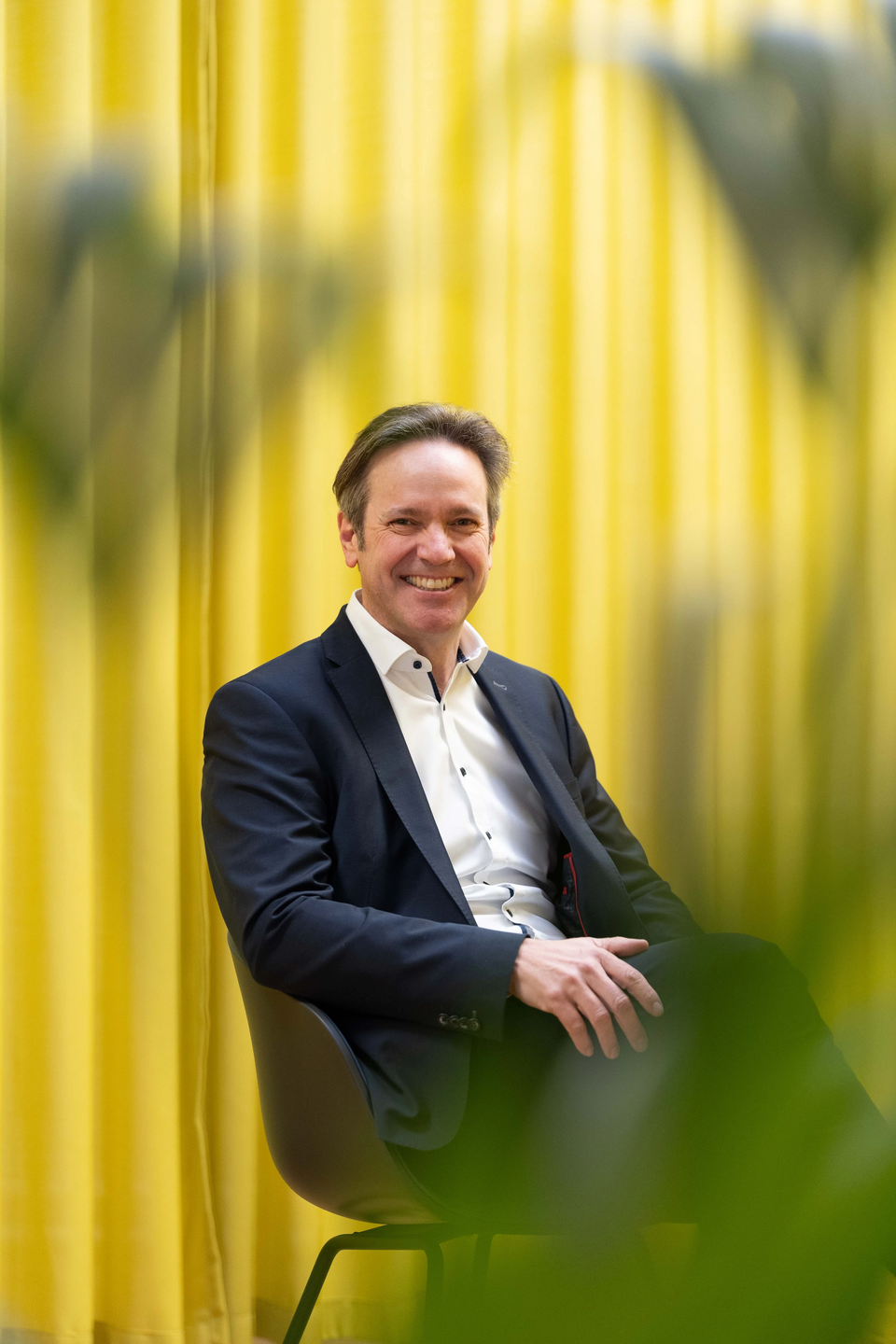
Helmut Antrekowitsch began his scientific career at HTL Leoben and first encountered metallurgy there. After working in the industry, he moved on to university, where he continues to be fascinated with exploring the processes from raw material to finished product.
Katharina Lammer is studying metallurgy at Montanuniversität Leoben, a technical university and discovered her interest in the world of metals thanks to her inspiring chemistry teacher. However, she had already been introduced to experimentation and hands-on exploration as a child – encouraged by practical gifts – and sees this as a key factor for inspiring the next generation.
Gerfried Weiss studied metallurgy in Leoben and for many years worked for a variety of companies in Europe and Africa – primarily with a focus on steel as a material. Nearly five years ago, he entered the world of refractory metals at Plansee HPM and appreciates the personal corporate culture.
About the Plansee Group: Focus on Molybdenum and Tungsten
With its products, the Plansee Group enables applications at the cutting edge of what is technically and physically feasible – in electronics, medical technology, energy supply, mechanical engineering, the construction industry, mobility, and security and defense.
Headquartered in Reutte, Tyrol, the group specializes in the powder metallurgical processing of the high-performance materials molybdenum and tungsten. The value chain extends from the processing of scrap and ore concentrates through the manufacture of intermediate products and blanks to the development and production of customer-specific components and tools.
The Plansee Group, with its parent company Plansee Holding AG, unites two strong business areas:
· Plansee High-Performance Materials, specializing in metallic products made of molybdenum and tungsten.
· Ceratizit, focused on tools made of hard metal (tungsten carbide) for the trades, machining, and industrial manufacturing.
The Plansee Group ensures long-term security of supply for its key materials through recycling and long-term partnerships with mining operators. The Plansee Group holds a 31 percent stake in the Chilean molybdenum processor Molymet and a 10 percent stake in the tungsten mining operator Almonty.
With 11,120 employees at 36 production sites, the Plansee Group generated consolidated revenue of 2.35 billion euros in fiscal year 2025/26. The fiscal year ends on the last day of February.
Media contact
Dénes Széchényi
Head of Group Communications
Nr. +43-5672-600-2243
Mobile +43-664-81 52 598
denes.szechenyi@plansee-group.com


