
Security of supply doesn’t happen overnight
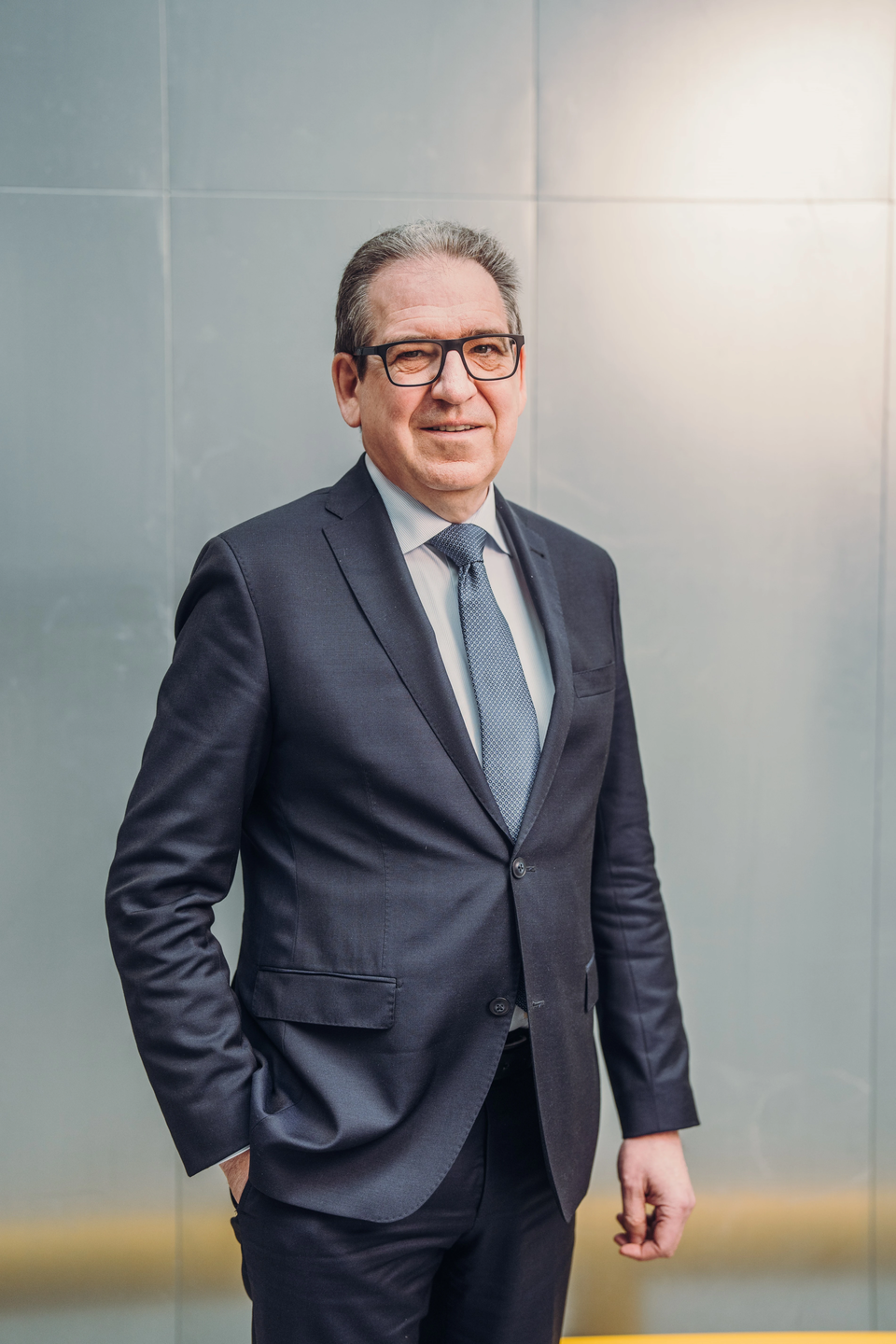
Karlheinz Wex, Chairman of the Executive Board of the Plansee Group, on raw material security, recycling, and Europe’s industrial future
Mr. Wex, why is everyone talking about tungsten right now?
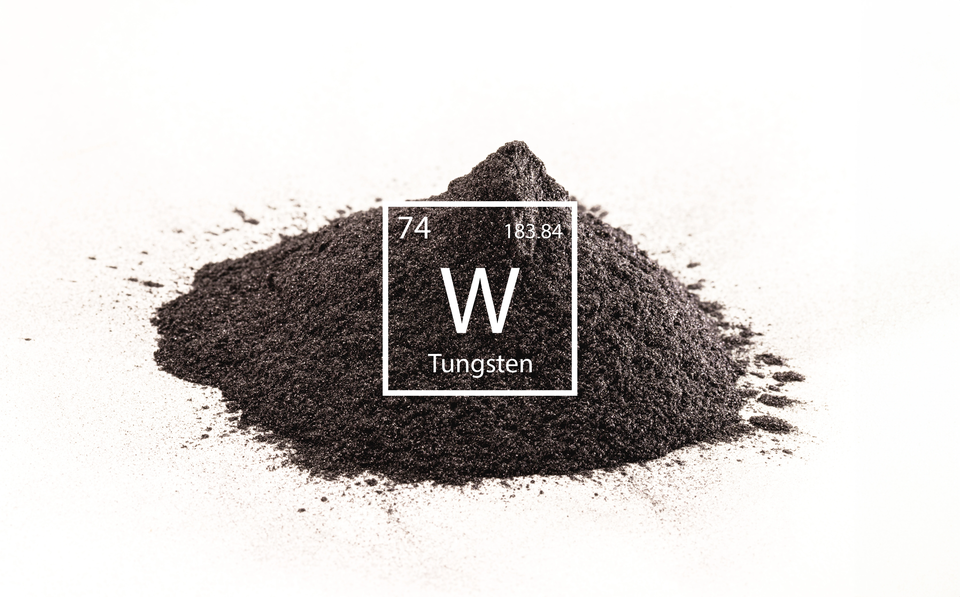
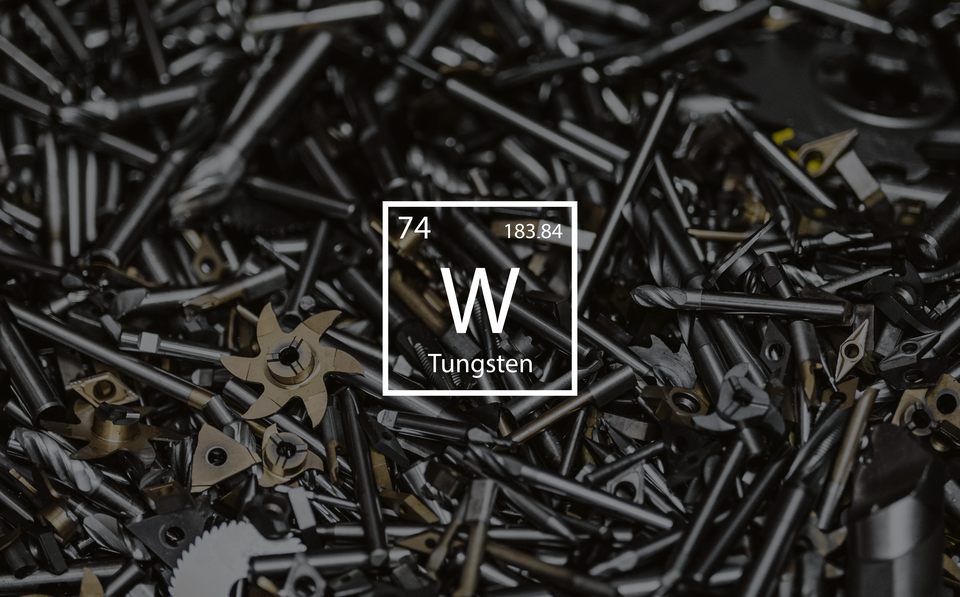
Tungsten is a metal with unique properties. It has the highest melting point of any metal, is extremely dense, and is indispensable for numerous industrial applications. About 65 percent of tungsten is used to manufacture all kinds of tools. Whether milling, drilling, turning, or forming: without tungsten carbide, many modern manufacturing processes would not exist. At the same time, tungsten components are needed, for example, in CT scanners, power transmission switches, and smartphones. Although tungsten occupies a niche market, virtually the entire manufacturing industry and many high-tech applications depend on it.
Why has the situation on the tungsten market become so tense?
China now dominates both the mining and processing of tungsten. More than 80 percent of the world’s mined tungsten comes from China, and tungsten exports have been severely restricted for over a year. China has even become a net importer. As a result, the Western market is drying up. This has led to massive price increases and growing supply risks for the industry.
How dependent are European industries on tungsten?
Very dependent. The manufacturing industry is particularly affected. Companies that produce engines, gearboxes, machine components, or precision products use tools made from tungsten carbide. But the electronics industry, medical technology, and security-related applications also require tungsten. That is why the supply of this raw material is of great importance for Europe’s competitiveness and security.
Did this development come as a surprise to Plansee?
No. We recognized nearly 20 years ago that dependence on China posed a strategic risk. That is why we began diversifying our supply early on. In 2008, we acquired a company in the U.S. that specializes in the manufacture of tungsten primary and intermediate products. At the same time, we further developed and expanded our own recycling technologies. Our goal has always been to create a stable, independent, and sustainable supply of tungsten for our customers around the world.
What role does recycling play in this?
Recycling is now the foundation of our tungsten supply. About 90 percent of the tungsten used by Plansee and Ceratizit comes from secondary materials. To achieve this, we collect used tools, tungsten-containing scrap, and grinding sludge, and reprocess them into high-quality tungsten using our own methods. This requires a great deal of expertise, but it makes us significantly less dependent on fluctuations in the raw materials markets.
How does this recycling cycle work in practice?
Scrap is the foundation. Through our collection systems and buyback agreements with customers, we collect used carbide tools and other tungsten-containing materials throughout Europe and the U.S. These are sorted and then processed using various methods to produce usable tungsten once again. Recycled tungsten is indistinguishable in quality from primary material.
How does recycling contribute to sustainability?
Very significantly. The carbon footprint of recycled material is about four times smaller than that of tungsten from mining. In addition, fewer natural resources are required. What was originally primarily a strategic move to ensure supply security is now also proving to be an important contribution to more sustainability.
Can recycling meet the entire demand for tungsten in the future?
No. Global demand for tungsten stands at around 120,000 metric tons per year. In the long term, recycling will likely be able to cover up to 50 percent of this demand. Beyond that, we’ll reach natural limits because some of the material is lost during use—for example, through wear and tear on tungsten tools in tunnel or road construction. That’s why primary sources will remain necessary in the future.
How important are new mining projects for security of supply?
They are an important factor. A good example is the Sangdong Mine in South Korea. It was shut down decades ago and is now being brought back into operation. We have supported the project together with our partner Almonty for many years and have secured large portions of the production volumes on a long-term basis. Reactivating or bringing a mine into operation often takes ten years or longer. That is why such projects must be supported early on and financed reliably.
What can Europe do to better secure its supply of raw materials?
Several measures are needed. First, the recycling rate should be increased. Second, framework conditions must be created so that new mining projects can be implemented economically. Third, strategic reserves should be built up, but during times of sufficient supply and not during a shortage. Overall, a long-term and consistent strategy for critical raw materials is needed.
You also advocate for measures regarding tungsten scrap. Why?
Tungsten scrap is a valuable raw material. Today, significant quantities are exported from Europe, partly to China. From our perspective, the material should be kept within regional cycles, such as in Europe or the U.S. One sensible solution, for example, would be to allow scrap exports only if the same amount is returned after reprocessing. This would improve supply security without disrupting international value chains.
What is your most important message to policymakers and industry?
Security of supply does not happen overnight. When it comes to critical raw materials, there is no one-size-fits-all solution. Each raw material must be considered on its own merits. For tungsten, we need significantly more recycling, new sources of raw materials, investments in processing capacity, and long-term partnerships. Anyone who wants to ensure security of supply must make decisions today whose effects will be seen in five or ten years. This is precisely the path Plansee has been following for many years.
Media contact
Dénes Széchényi
Head of Group Communications
Nr. +43-5672-600-2243
Mobile +43-664-81 52 598
denes.szechenyi@plansee-group.com
About the Plansee Group: Focus on Molybdenum and Tungsten
With its products, the Plansee Group enables applications at the cutting edge of what is technically and physically feasible – in electronics, medical technology, energy supply, mechanical engineering, the construction industry, mobility, and security and defense.
Headquartered in Reutte, Tyrol, the group specializes in the powder metallurgical processing of the high-performance materials molybdenum and tungsten. The value chain extends from the processing of scrap and ore concentrates through the manufacture of intermediate products and blanks to the development and production of customer-specific components and tools.
The Plansee Group, with its parent company Plansee Holding AG, unites two strong business areas:
· Plansee High-Performance Materials, specializing in metallic products made of molybdenum and tungsten.
· Ceratizit, focused on tools made of hard metal (tungsten carbide) for the trades, machining, and industrial manufacturing.
The Plansee Group ensures long-term security of supply for its key materials through recycling and long-term partnerships with mining operators. The Plansee Group holds a 31 percent stake in the Chilean molybdenum processor Molymet and a 10 percent stake in the tungsten mining operator Almonty.
With 11,120 employees at 36 production sites, the Plansee Group generated consolidated revenue of 2.35 billion euros in fiscal year 2025/26. The fiscal year ends on the last day of February.


